Modernize Your Back Office
I help federally funded nonprofits speed up contracts and stay audit-ready without adding headcount.
The Cost of Fragmented Systems
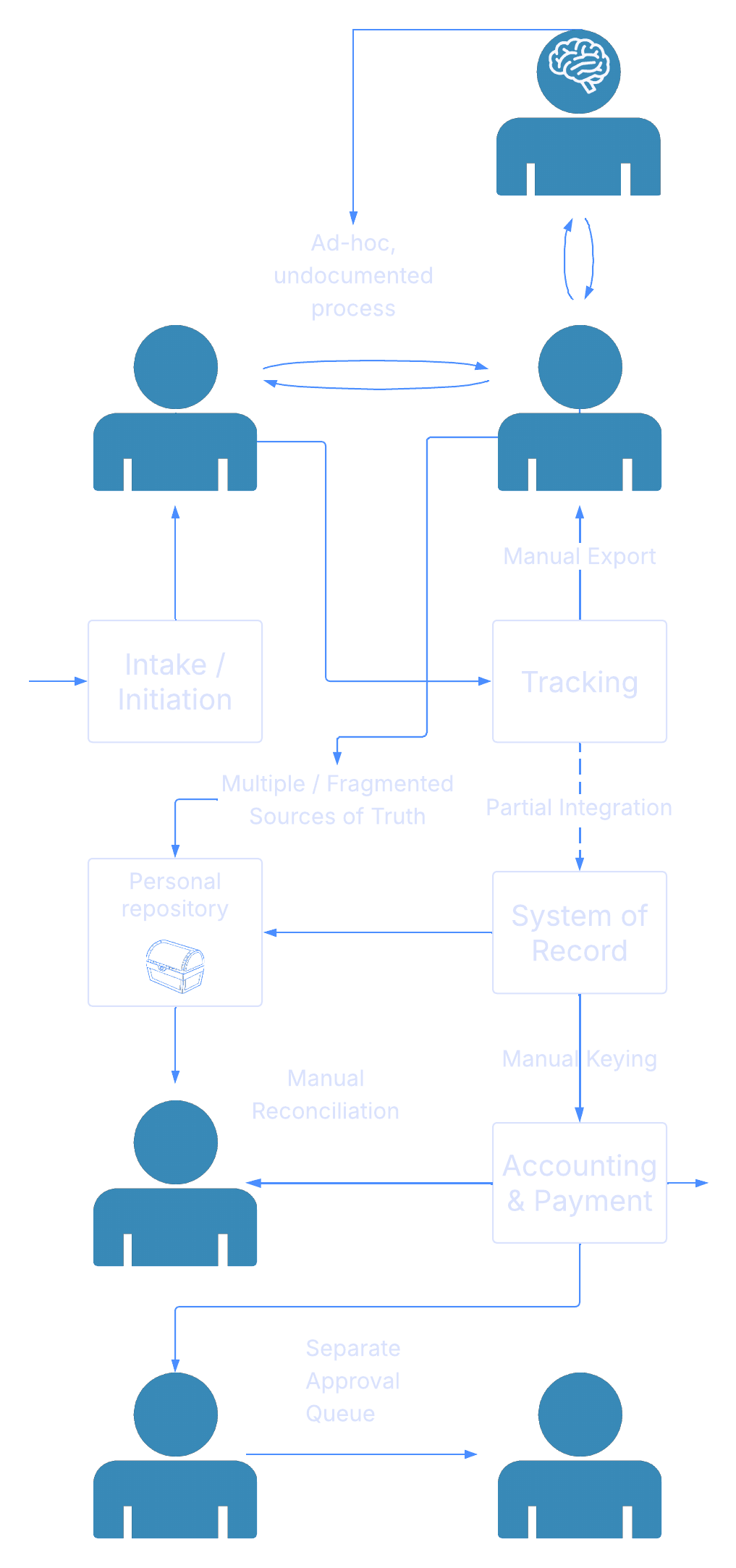
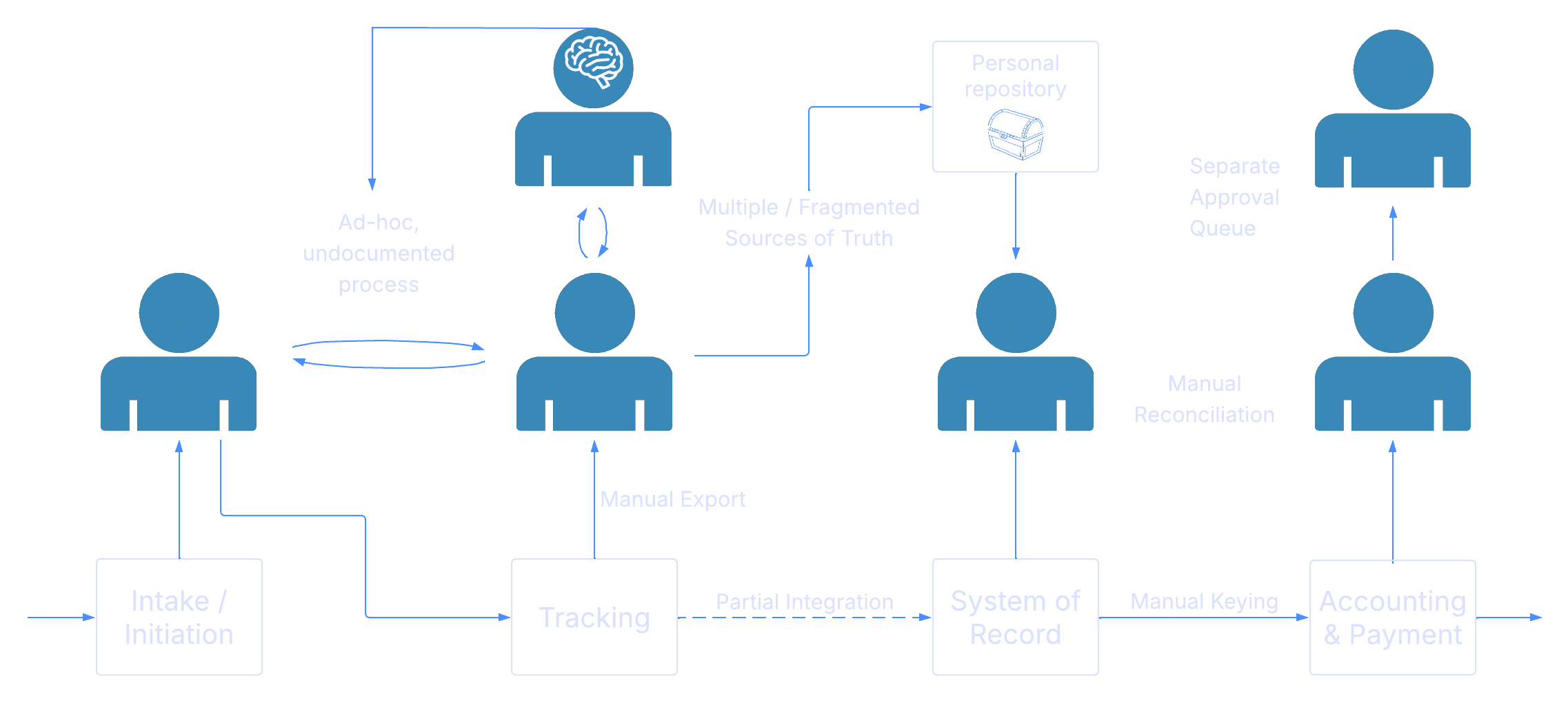
When your systems don’t talk to each other, people fill the gap: re-keying data, chasing sign-offs, rebuilding the same reports every month.
Manual Invoicing Friction
Re-keying the same data across systems that don't connect creates bottlenecks that slow operations down.
Subcontracting Delays
Without one clear view of every contract, vendor work stalls and programs slip.
Compliance & Audit Risk
Scattered data and ad-hoc fixes give auditors more to question. Audits become a heavy lift, and funding can be clawed back.
The Integration Spine
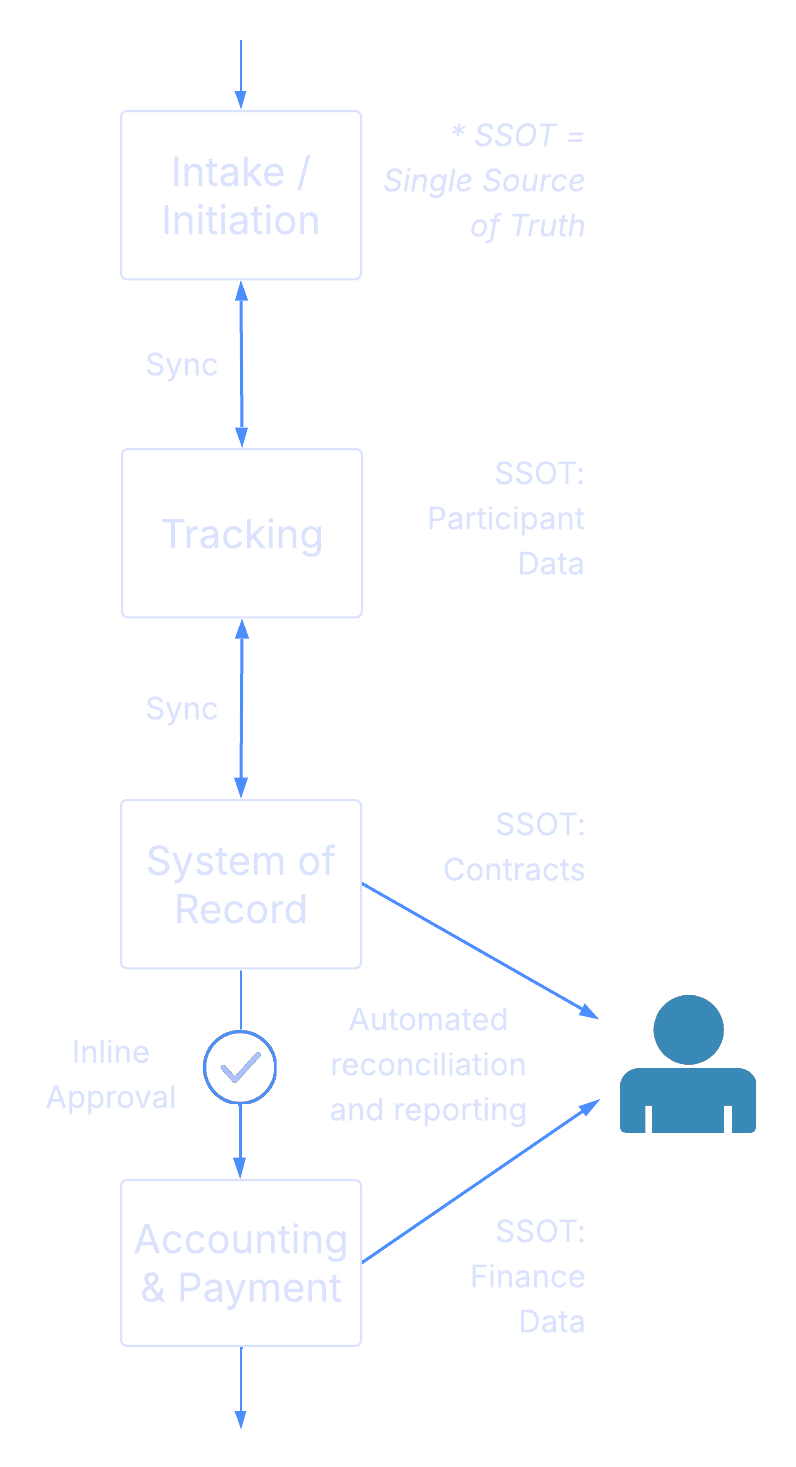
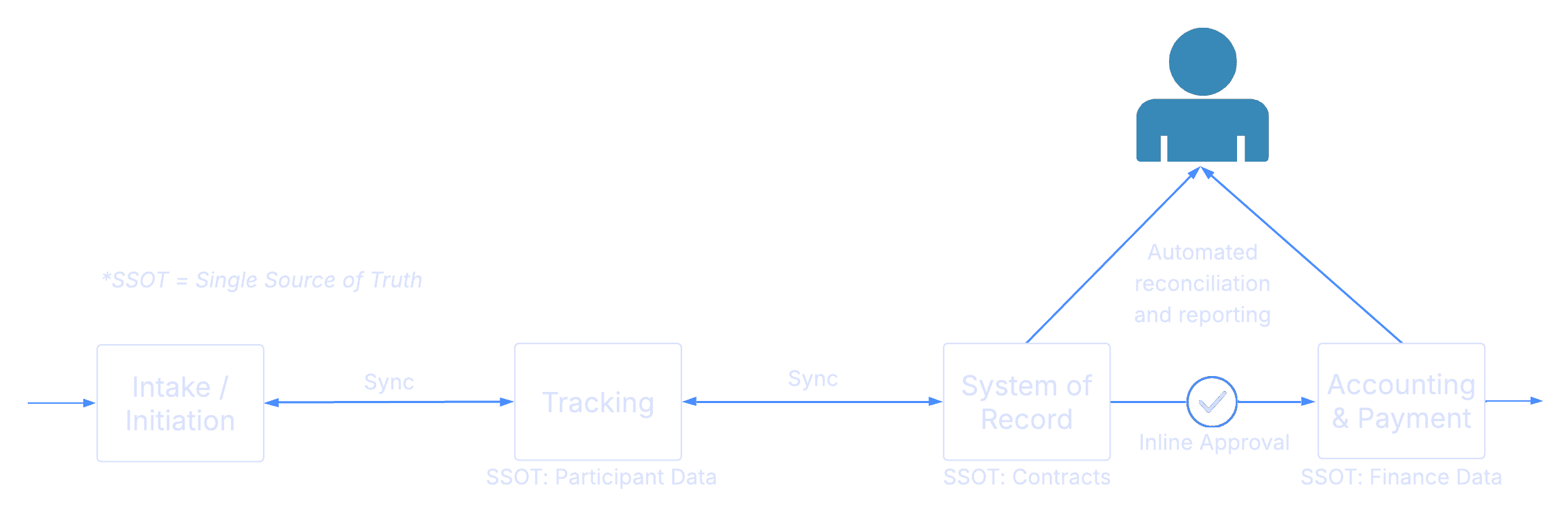
When your systems are connected, no one has to fill the gap. Data is entered once and flows where it’s needed, approvals move without chasing, and the audit trail builds itself.
One-Pass Invoicing
Enter data once and it flows to every system that needs it. Invoices go out on time and payments come in faster.
Contracts in Full View
With one clear view of every contract, vendor work keeps moving and programs stay on schedule.
Audit-Ready by Default
Connected data and a recorded trail of every change give auditors less to question. Audits become routine, and funding stays secure.
Integration used to mean a specialist on call — every new system, every change, another invoice. That’s changing fast. The same AI tools changing everything else let the operations staff you already have administer and extend connected systems themselves, without hiring engineers. So every engagement is built to be handed over: I set up the integration and teach your team to run it. The measure of the work is what your team can do without me.
What an Engagement Looks Like
Diagnostic Assessment
Stakeholder interviews, system mapping, architectural review.
Comprehensive Friction Map & Strategic Roadmap.
Implementation & Integration
Technical setup, data validation, User Acceptance Testing (UAT).
Fully integrated, production-ready system architecture.
Transition & Enablement
Hands-on admin training, runbook & SOP handover, supervised operation including an audit cycle.
Internal team that owns and extends the integration; documentation that holds up through staff turnover.
Hands-on experience with
About
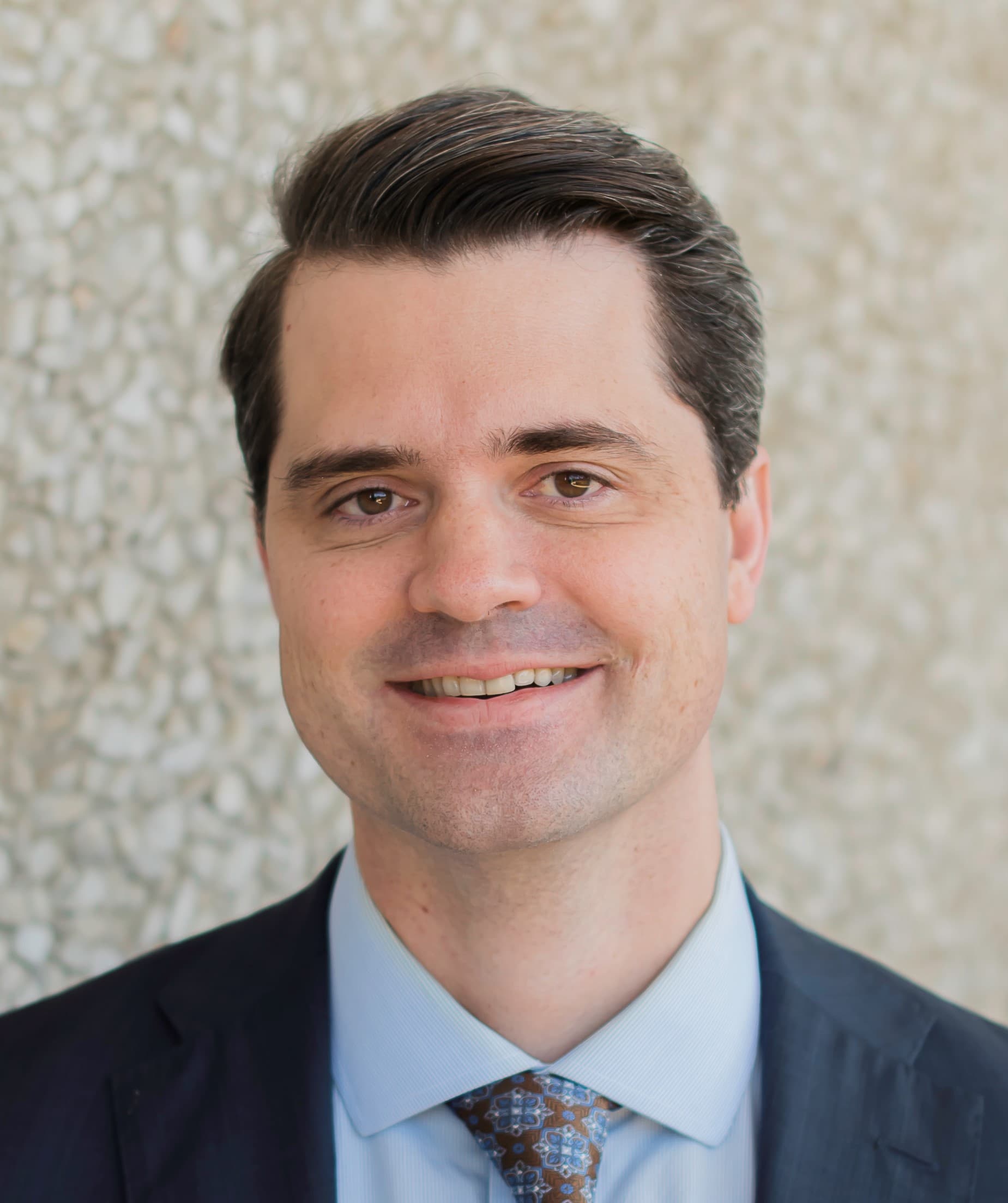
I’ve spent two decades working in and around nonprofit workforce programs: the budgets, the audits, the funder requirements, the gap between what a grant promises and what it takes to deliver it. I’m not a technologist who learned the nonprofit world secondhand. I’ve been fully accountable for grant programs, their compliance, and their outcomes.
More recently, I’ve led the sourcing, implementation, and adoption of the core systems a fiscal agent runs on, including contract, finance, grant-management, human resources, and case management. Most consultants in this space know contracts or know finance systems. Rarely both. Almost none have done the work inside a federally funded nonprofit, under the compliance rules that actually govern it.
What I care about is making complex systems usable, and making them durable beyond any one person. A system that only works while a particular employee is at their desk isn’t finished. So documentation, clear ownership, and trained staff aren’t add-ons to the work; they are the work.
That’s also why this practice is built to make itself unnecessary. I set up the integration, then teach your team to run and extend it themselves. The goal isn’t a long engagement, but an organization that doesn’t need one. Compliance, transparency, and operational effectiveness are then owned by the people who depend on them.
Dave Swanson
Founder
Request a Discovery Call
I’ll review your submission and reply within 48–72 hours with proposed times.